
Have you ever wondered how can international collaboration help cities become more resilient to climate change?
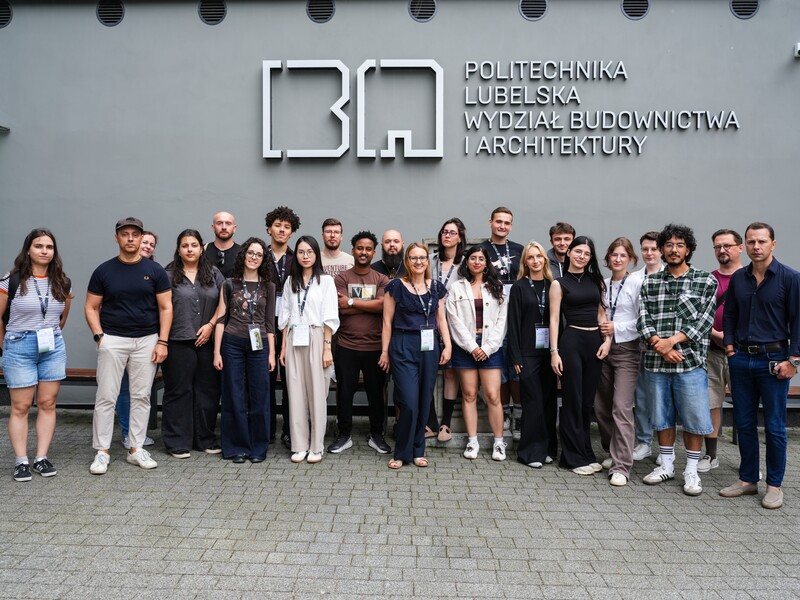
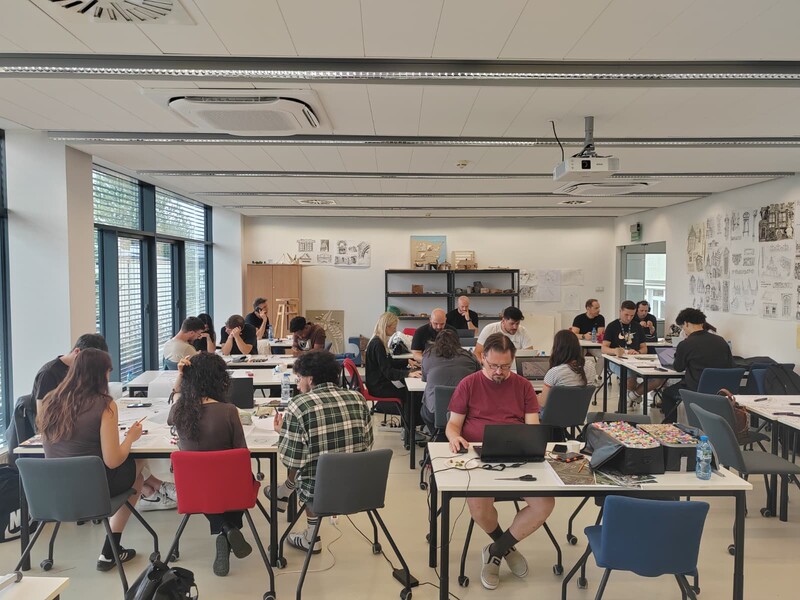
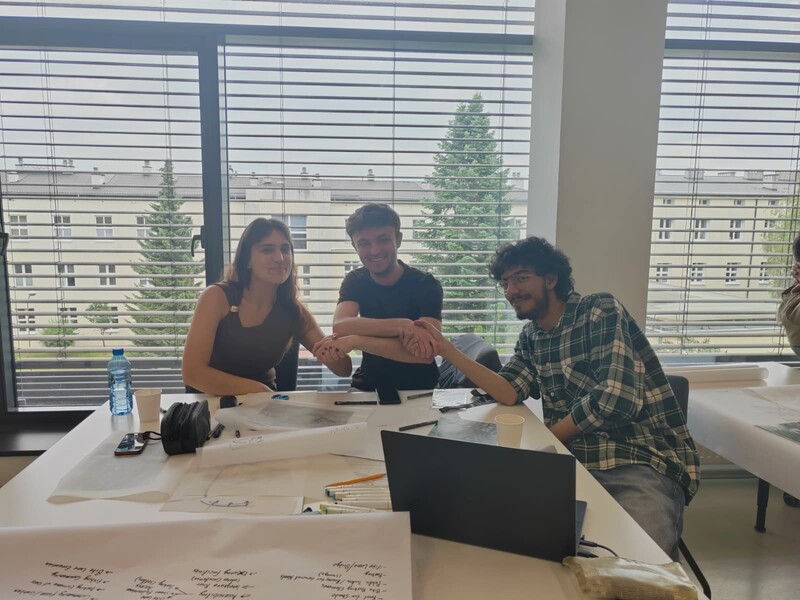
The Blended Intensive Programme “Public Spaces for Climate Changes”, organised by Lublin University of Technology within the Erasmus+ programme, brought together architecture students and academics from Poland, Italy, Portugal, Greece and Slovakia to tackle real urban challenges through international teamwork. The programme combined three weeks of online learning with an intensive workshop week in Lublin. The workshops took place at the Faculty of Civil Engineering and Architecture of Lublin University of Technology, giving participants the opportunity to connect theory with hands-on design experience.
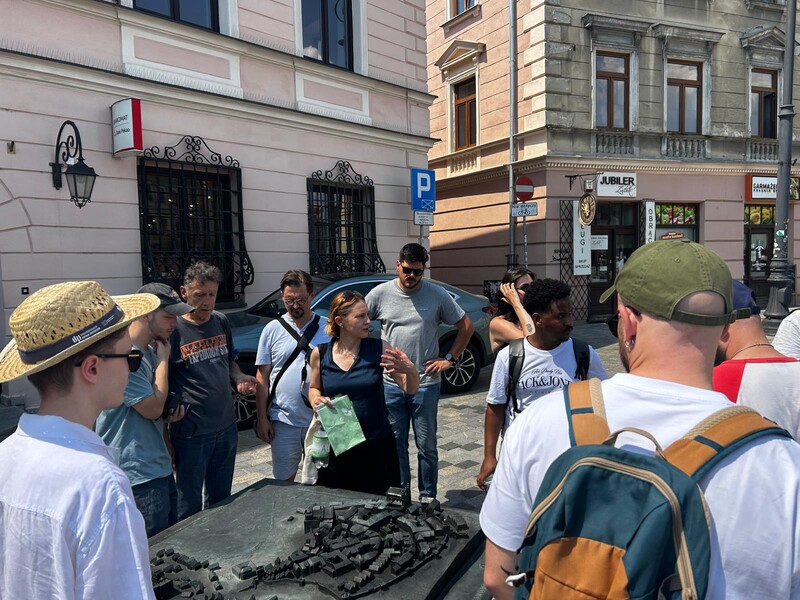
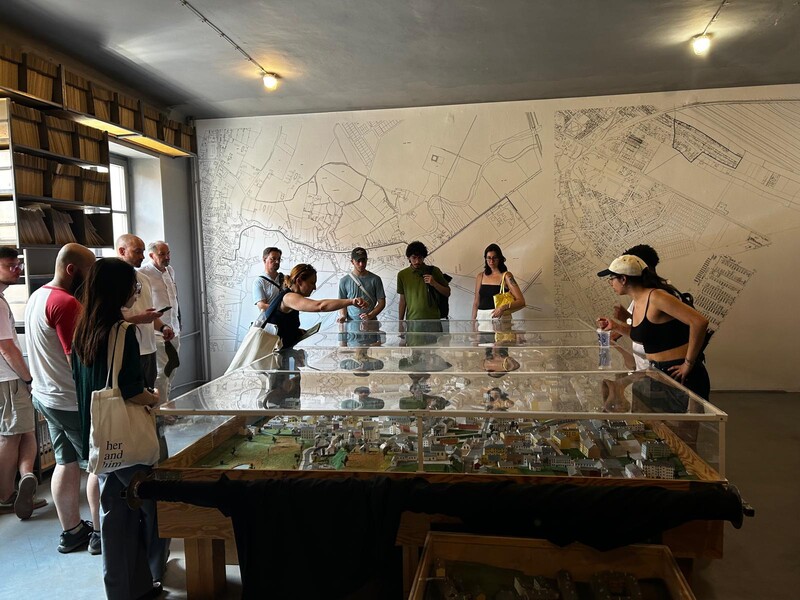
Lublin became a living laboratory for climate-responsive urban design. During site visits and field research, students explored how climate change is already affecting the city, from heatwaves to the need for more resilient public spaces. One of the key project sites was the former stadium at Kresowa Street - a forgotten area near the Bystrzyca River with great potential for revitalisation. Working in multinational teams, participants analysed the site, identified its challenges and developed innovative concepts to transform it into an attractive, accessible and climate-resilient public space that better serves both residents and the environment.
Beyond technical knowledge, the BIP offered students invaluable international experience. They strengthened their design, analytical and digital skills while learning to use professional tools such as GIS, ENVI-met and SCALGO. Just as importantly, they developed teamwork, communication and problem-solving skills by collaborating with peers from different cultural and academic backgrounds. The programme also created opportunities to build international networks, exchange ideas and gain practical experience that will benefit participants in their future professional careers.
By addressing real challenges in Lublin, students demonstrated how fresh perspectives and international cooperation can inspire sustainable solutions for the cities of tomorrow.

Projekt współfinansowany ze środków Unii Europejskiej w ramach Europejskiego Funduszu Społecznego, Program Operacyjny Wiedza Edukacja Rozwój 2014-2020 "PL2022 - Zintegrowany Program Rozwoju Politechniki Lubelskiej" POWR.03.05.00-00-Z036/17
The websites of Lublin University of Technology use "cookies" in accordance with the privacy policy. Give me more information.